Use case
Target discovery
Predict structure and conformational states for candidate targets, including the ones with no close homologue in the PDB.

Applications · In development
We sell compute today. These are the models we are building on top of it, in order of how much of our own time they take.

01 — Priority programme
Read a whole genome, find the variants that matter, and say which of them a clinician can act on. This is the hardest of the four and the one our roadmap is built around.

Variant interpretation against clinical evidence; screening for pathogenic sites; matching a patient's variant profile to targeted therapies; and predicting resistance before it shows up in a treatment response.
The output has to be a ranked, sourced statement a lab can put in front of a clinician, with the evidence attached.
Public reference resources — 1000 Genomes, ClinVar, COSMIC — give coverage of known variation but not of outcome. The part that matters clinically is the link between a variant, a disease course and a drug response, and that has to come from de-identified clinical data under agreement with the institutions that hold it. Building that corpus is the slow part of this programme.
02 — Programme
Structure prediction is no longer the difficult part on its own. What teams still need is a pipeline that keeps up with a screening campaign.

Use case
Predict structure and conformational states for candidate targets, including the ones with no close homologue in the PDB.
Use case
Epitope and pocket characterisation, mutation effect on fold and binding, and candidate ranking before anything is expressed in a lab.
Use case
Structure prediction as the filter in a design loop: generate, predict, score, discard. Throughput decides how many designs you can afford to consider.
The compute argument is straightforward: prediction is cheap per structure and expensive per campaign. Model training and high-throughput inference both belong on the same cluster, which is the reason this programme sits under our compute business rather than beside it.
03 — Programme
Plenty of models can generate molecules. Far fewer produce candidates that survive developability, selectivity and synthesis.
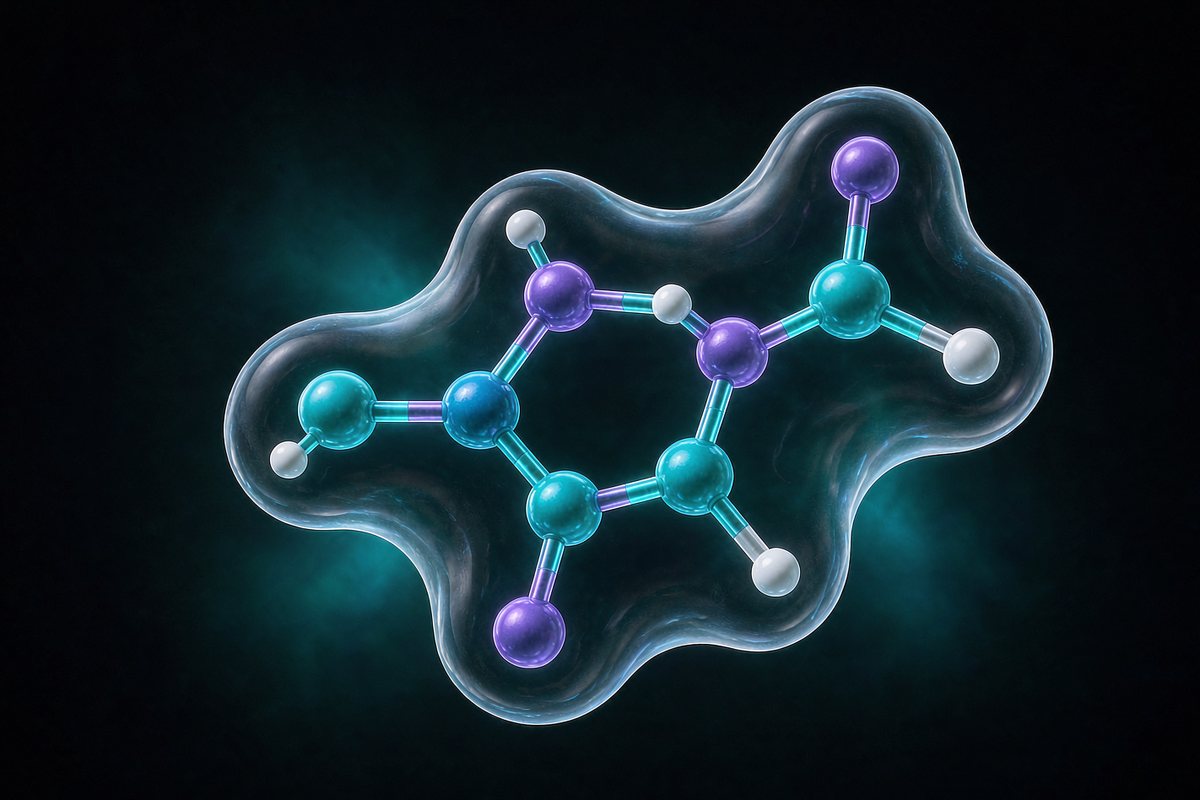
The bottleneck in early discovery is not ideas, it is the number of candidates a team can afford to evaluate. A generation loop that runs continuously on owned compute changes the economics of that evaluation — the marginal candidate stops costing a week of someone's attention.
No molecule has been designed, synthesised and validated through this programme yet. What is described above is the design of the system we are building.
04 — Programme
The one most likely to be useful first, because the models are better understood and the buyers are easier to reach.
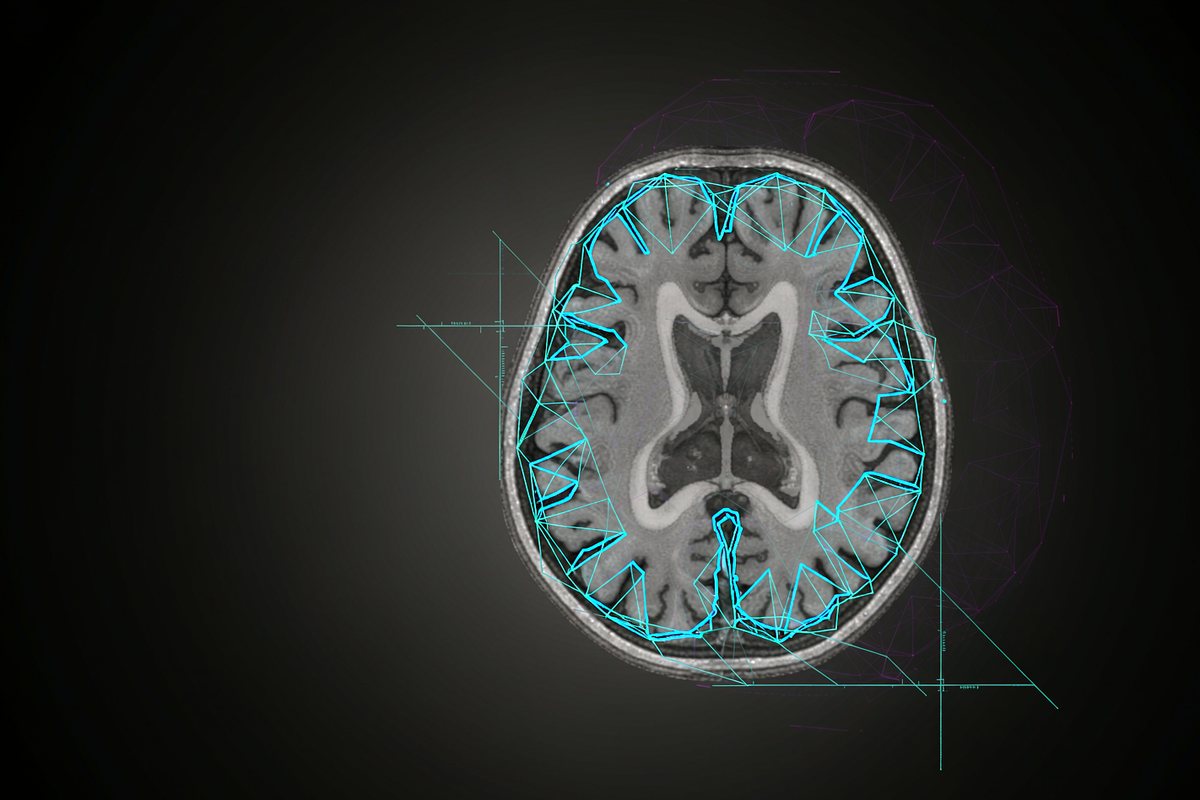
Lesion detection, organ and tumour segmentation, and volumetric quantification across pathology, CT and MRI.
Imaging features linked to variant profiles, for studies that need both a picture and a genotype — the reason this programme belongs in the same portfolio as the first one.
High-resolution volumes make training memory-bound, and clinical use makes inference concurrent. Both fit the same cluster shape we already run.
05 — Working with us
Research groups and biotech teams do not have to wait for a product to work with us. These are the arrangements we are running now.
01
You bring the model and the data; we provide the cluster and the plumbing. No involvement in your science, no claim on your results.
02
A defined piece of model work delivered against a milestone, on your data, with the intellectual property terms agreed before the first commit.
03
For institutions holding de-identified cohort data and clinical follow-up. Terms are set by your ethics and legal review, not ours.
Both are the same conversation. Tell us what you have and what you are trying to answer.